
Your Global Health Resource
Why take magnesium?
the truths and lies circulating on social media
1. Introduction
Over the years, I’ve learned that many clinical answers are right in front of us. I’ve seen patients with chronic fatigue, cramps, or arrhythmias, in whom the cause wasn’t complex, but rather an unrecognized magnesium deficiency. Sometimes, the problem isn’t the disease itself, but rather iatrogenic. Why choose magnesium? such as prescribing diuretics to someone who works in the sun in Florida or to active people who lose electrolytes through sweating.
Listening to the patient, understanding their environment, and not underestimating the basics can make all the difference.
In an age where social media promotes magnesium as a miracle cure, it’s important to separate the facts from the hype. This article presents a clear, evidence-based perspective on when magnesium can be beneficial—particularly for managing blood pressure, heart disease, and persistent fatigue—and how to select the most suitable form for each individual case.
2. Magnesium: The Silent but Essential Mineral
Magnesium is a cofactor in more than 300 enzymatic reactions essential for muscle contraction (including myocardial), regulation of vascular tone, ATP production, and neurotransmitter synthesis.
3. Why might we have low magnesium levels?
Hypomagnesemia is a common, though often underdiagnosed, finding in emergency rooms. Its most common clinical causes include:
Excessive sweating due to heat or exercise (a combined loss of sodium, potassium, and magnesium).
Chronic diarrhea or prolonged use of laxatives.
Thiazide or loop diuretics increase renal excretion of magnesium.
Chronic alcoholism, gastrointestinal diseases, or poorly controlled diabetes.
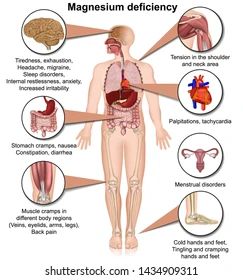
It often coexists with hypokalemia or hypocalcemia and can cause arrhythmias, muscle spasms, weakness, and severe fatigue.
4. Can magnesium relieve chronic fatigue?
Yes. Magnesium deficiency can contribute to chronic fatigue syndrome, a feeling of persistent physical exhaustion, mental fogginess, and weakness with no apparent cause. Magnesium is involved in ATP production and modulation of the nervous system, so a deficiency directly impacts energy and mood.
Suggested dosage in a single daily dose:
Magnesium glycinate: 300–350 mg of elemental magnesium, well tolerated, ideal for fatigue, insomnia, and mild anxiety.
Magnesium citrate: 250–300 mg of elemental magnesium, also effective, but with a risk of a laxative effect at high doses.
Both forms are well absorbed and can be taken with food to improve tolerance.
5. Does magnesium help control blood pressure?
Yes, especially in patients with mild hypertension or prehypertension. Clinical studies have shown that doses between 300 and 400 mg/day modestly reduce systolic and diastolic blood pressure by improving vasodilation and reducing peripheral resistance.
6. And the heart?
Magnesium protects the myocardium by stabilizing the cell membrane, regulating calcium and potassium channels, and preventing arrhythmias***. It is useful in patients with heart attacks, heart failure, and frequent extrasystoles, and correcting them can reduce hospitalizations due to arrhythmic events.
7. Are all formulations the same?
Form Bioavailability Comment
-Glycinate High and sustained, better tolerated, useful for fatigue, anxiety, and blood pressure.
-Citrate is less expensive, useful for blood pressure and intestinal transit.
-Oxide Low Limited use.
-Taurate Promising. Under study for its cardiovascular effects.
8. Common Myths on Social Media
 “It cures hypertension”: false, it’s an adjuvant.
“Everyone should take supplements”: not without assessing risk or deficiency.
“The more, the better”: excess can cause diarrhea, hypotension, or bradycardia.
“Magnesium at night cures insomnia”: helpful, but not a substitute for a comprehensive diagnosis.
9. Conclusion
Magnesium has a real clinical role in cardiovascular health
.
Raul Ayala MD
