
Your Global Health Resource
Hyperlipidemia: Causes, Complications, Prognosis, and Treatment
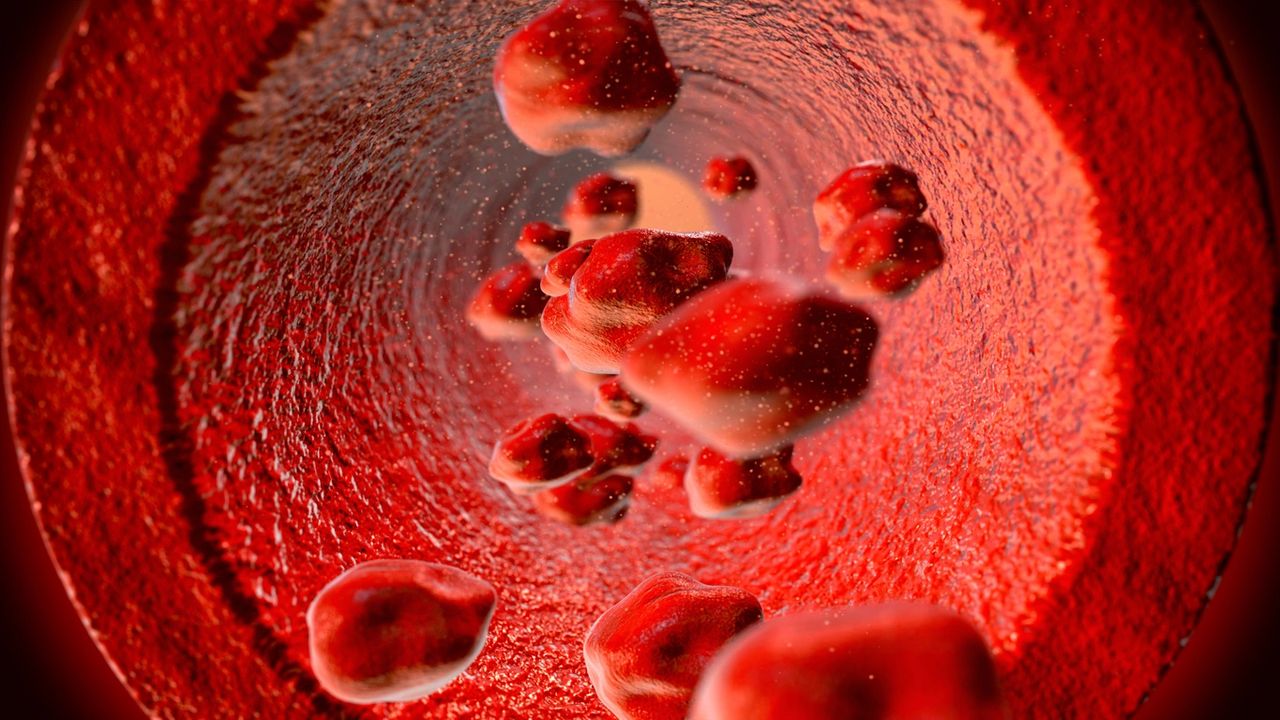
Hyperlipidemia, commonly referred to as high cholesterol, is a metabolic disorder characterized by elevated levels of lipids (fats) in the blood, primarily cholesterol and triglycerides. It is a major risk factor for atherosclerosis and cardiovascular diseases, including coronary artery disease, stroke, and peripheral artery disease.
Causes
Hyperlipidemia can be primary (genetic) or secondary (acquired).
- Primary hyperlipidemia results from inherited genetic mutations affecting lipid metabolism, such as familial hypercholesterolemia.
- Secondary causes include lifestyle and medical conditions such as:
- Diet High in Saturated Fats and Cholesterol
- Obesity and Sedentary Lifestyle
- Diabetes Mellitus
- Hypothyroidism
- Chronic Kidney or Liver Disease
- Alcohol Use
- Certain Medications (E.g., Corticosteroids, Beta-blockers, Oral Contraceptives)
These factors contribute to the accumulation of low-density lipoprotein (LDL or “bad” cholesterol) and/or triglycerides, often accompanied by low levels of high-density lipoprotein (HDL or “good” cholesterol).
Complications
If untreated, hyperlipidemia can lead to atherosclerosis, the buildup of fatty plaques within arterial walls. This condition narrows the arteries, restricts blood flow, and can cause:
- Coronary Artery Disease (Angina, Myocardial Infarction)
- Ischemic Stroke
- Peripheral Arterial Disease
- Pancreatitis (Particularly With Very High Triglycerides)
- Fatty Liver Disease
The risk of complications is significantly increased in the presence of other comorbidities like hypertension, diabetes, and smoking.
Prognosis
The long-term outlook of hyperlipidemia depends on early detection, risk factor management, and adherence to treatment. When properly managed, individuals can reduce their risk of cardiovascular events and live a normal lifespan. However, untreated or poorly controlled hyperlipidemia can silently progress to serious, life-threatening conditions.
Treatment
Lifestyle Modification is the cornerstone of management:
- Diet: Adopt a heart-healthy diet rich in fruits, vegetables, whole grains, lean protein, and healthy fats (e.g., omega-3). Limit saturated fats, trans fats, red meat, and processed foods.
- Exercise: Aim for at Least 150 Minutes of Moderate Aerobic Activity Per Week.
- Weight Loss: Even Modest Weight Reduction Improves Lipid Profiles.
- Avoid Tobacco and Excess Alcohol
Pharmacologic therapy is indicated when lifestyle changes are insufficient, or if the patient is at high risk for cardiovascular disease.
- Statins (e.g., atorvastatin, rosuvastatin) are the first-line agents, effectively lowering LDL and reducing cardiovascular events.
- Ezetimibe may be added if statin therapy is insufficient.
- PCSK9 inhibitors are used in patients with familial hypercholesterolemia or very high cardiovascular risk.
- Fibrates and niacin may be considered for high triglyceride levels.
- Omega-3 fatty acid supplements can also lower triglycerides.
Monitoring and Follow-Up
Regular lipid panel testing (every 3–12 months depending on risk profile), liver function monitoring (especially when on statins), and ongoing assessment of cardiovascular risk are crucial to ensure effective management.
In summary, hyperlipidemia is a manageable condition. Early intervention, lifestyle improvement, and appropriate medications can prevent complications and significantly improve quality and length of life.
