
Your Global Health Resource
Breast Cancer in Males: A Clinical Overview
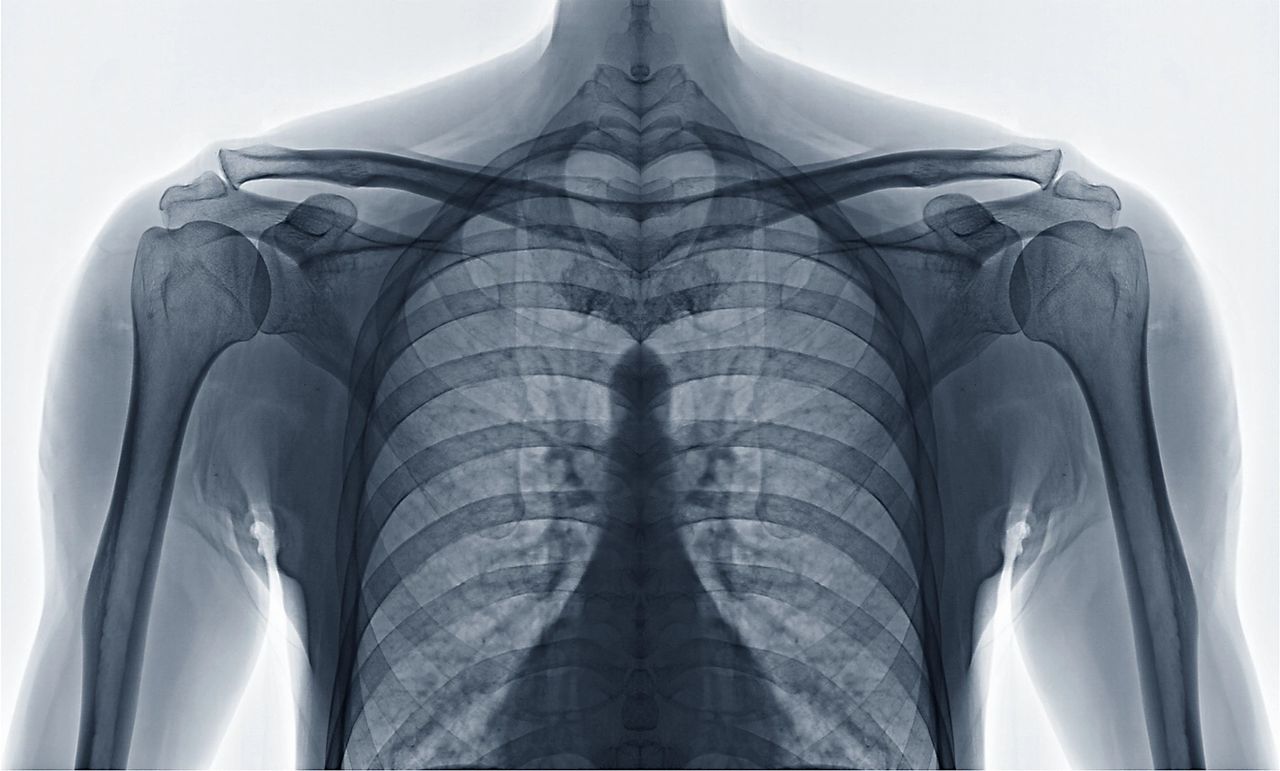
Breast cancer in males is a rare but significant condition, accounting for less than 1% of all breast cancer cases. Despite its rarity, the incidence has been slowly increasing, and delayed diagnosis remains a major challenge, often leading to advanced-stage disease at presentation.
Epidemiology and Risk Factors:
The average age of diagnosis in men is between 60 and 70 years. Risk factors include family history of breast cancer, BRCA2 gene mutations (more than BRCA1), radiation exposure, liver disease (such as cirrhosis), Klinefelter syndrome (47,XXY), obesity, and elevated estrogen levels. A history of testicular disorders, such as undescended testis or orchitis, may also increase risk.
Clinical Presentation:
Men typically present with a painless subareolar mass, nipple retraction, or discharge. Because awareness is low, symptoms are often overlooked until the disease progresses. Lymph node involvement is common at the time of diagnosis.
Diagnosis:
Diagnosis involves a combination of clinical breast exam, imaging (mammogram and breast ultrasound), and histopathologic confirmation via biopsy. Hormone receptor testing (ER, PR, HER2) is critical, as most male breast cancers are estrogen receptor-positive.
Treatment:
Management strategies are similar to those in female breast cancer and include surgery (typically mastectomy), radiation therapy, chemotherapy, and endocrine therapy such as tamoxifen. Hormone therapy is particularly effective due to the high rate of hormone receptor positivity in male cases.
Prognosis:
Prognosis is stage-dependent. Although outcomes are comparable to females when matched stage for stage, delayed diagnosis often leads to worse prognoses in men.
Conclusion:
Increased awareness and education among clinicians and the public are essential for earlier detection and improved outcomes in male breast cancer. Routine evaluation of male breast symptoms should not be overlooked, especially in high-risk individuals.
